FAQ- Frequently Asked Questions
At UWC, our mission is to inspire young people to put their talents and energy into driving change around the world, no matter which future path they choose.

Applying to UWC can feel exciting—and a little overwhelming. This FAQ is here to help clarify the process, criteria, and what to expect. Whether you’re just learning about UWC or already working on your application, you’ll find answers to common questions below. If you still have doubts, don’t hesitate to reach out!
United World Colleges (UWC) is a global movement that brings together young people from diverse backgrounds and cultures to study and live together, fostering peace and sustainability through education. UWC has 18 schools and colleges around the world offering the International Baccalaureate (IB) Diploma.
The selection process happens in three stages:
Stage 1 – Online Application:
Candidates submit an online application including essays, academic records, extracurricular activities, service experience, and family background, among others.
Stage 2 – First In-Person Evaluation:
Selected applicants participate in group discussions, a short interview, and a written examination.
Stage 3 – Final In-Person Interview:
Finalists will go through a 20–25-minute interview with the selection panel.
Each stage is designed to evaluate the applicant holistically based on UWC’s core selection criteria. Please note that UWC Nepal reserves the right to change the process for each year without prior notice.
Strong applicants demonstrate the following characteristics within our selection criteria:
Yes. While you must be a Nepali citizen, you do not need to present your actual Nagarikta document during the application process.
Strong candidates are not just academically capable—they are also:
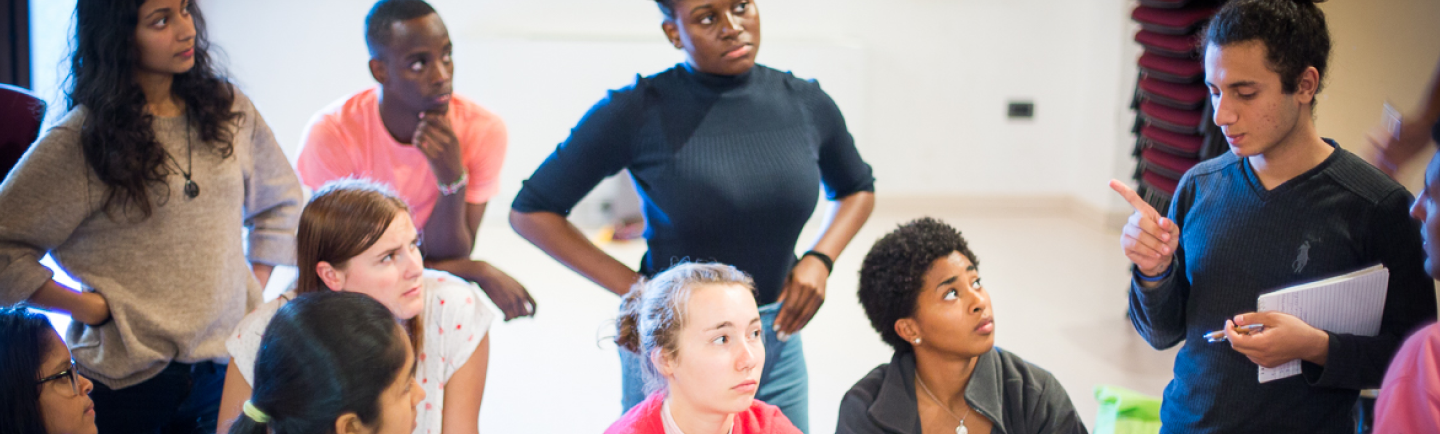
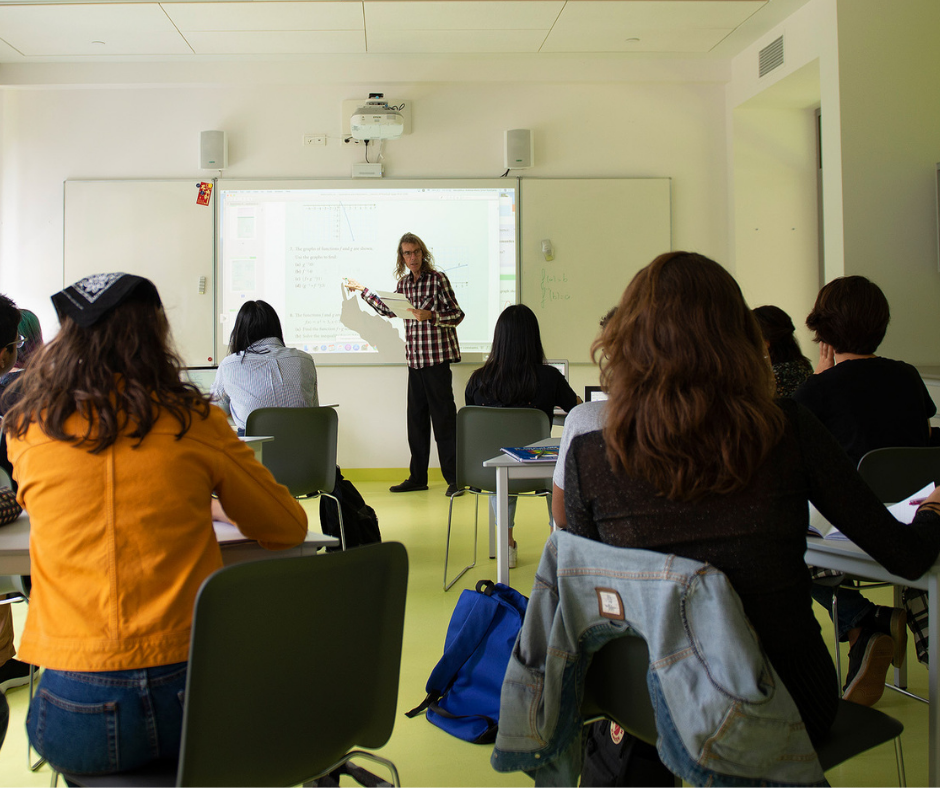
Students live and study with peers from around the world. The experience is academically rigorous and personally transformative, emphasizing community life, service, leadership, and intercultural understanding.
The number of students selected varies based on the availability of placements and scholarships offered by UWC colleges each year. In the recent past, UWC Nepal has typically selected between 15 to 20 students annually.
The application typically opens in late September and closes by late October each year. The exact dates are published on our website and social media platforms. We recommend checking regularly for announcements and updates.
If you are missing any of your marksheets during the application, you can still submit your application. However, you must upload a written explanation and commit to submitting your marksheets as soon as they become available. If selected for the 2nd stage of applications, you must bring your original SEE certificate on the day of the interviews for verification.
ECAs are an important part of the application. They help us understand your interests, leadership, commitment, and contributions beyond academics. We’re not looking for quantity but for depth, consistency, and genuine involvement—whether in school clubs, community service, home responsibilities, sports, or creative pursuits.
To stand out:
Yes! English fluency is not a requirement at the time of application. Many UWC students come from non-English-speaking backgrounds. What matters most is your willingness to learn and grow. UWC colleges provide language support and an environment where your skills can develop naturally.
If you are selected for the final round, you will be asked to submit documents such as your parent/guardian’s tax returns, salary slips, or income statements. These are reviewed confidentially and only for determining financial need. You do not need to submit financial documents during the first or second stage of the application.
Yes. Students from any educational background can apply as long as they have completed a 10th-grade equivalent education by the time of application and meet the GPA criteria. If your grading system is different, please include an explanation or equivalency from your school if possible.
Additionally, if you haven’t received your 11th, eleventh grade first term results at the time of the application, you can put N/A as (Not Available) in the application.
Yes. If you require any accommodations (e.g., extra time during exams, mobility assistance, or support for learning differences), please let us know at the time of application or via email. We aim to ensure an inclusive and fair evaluation for every applicant.
While you may be asked for your preferences, the UWC Nepal National Committee does not guarantee placement at a specific college. College assignments depend on scholarship availability, alignment with your profile, and overall match. We work to ensure the best fit for each candidate.
UWC students go on to study at top universities around the world, often on full or partial scholarships. The UWC movement is widely respected, and many colleges have specific funding for UWC graduates. Alumni also benefit from a strong global network and mentorship opportunities.
Yes. While students can begin the application independently, parental or guardian consent is required if you are selected. In the final round, families are also invited to participate in orientation and information sessions to better understand the UWC commitment.
Yes, most parts of the application and evaluation process—such as the online form, written examination, and interviews—are conducted in English. However, you are absolutely welcome to express yourself in Nepali during interviews or group discussions if that is more comfortable for you.
What matters most is your clarity of thought, honesty, and ideas—not perfect English. Many past applicants have used a mix of Nepali and English during the selection process and have been selected.
Don’t let language hold you back from applying!
Interviews typically explore your background, motivations, values, and perspectives on global or local issues. There are no “correct” answers—we are looking for honesty, curiosity, and the ability to reflect on your experiences and decisions.
Yes. All in-person stages currently take place in Kathmandu. While we have supported online interviews in the past, this typically only applies for extenuating circumstances such as living abroad. Candidates must be present in person for at least one of the in-person evaluation processes, Stage 2 or Stage 3. You must communicate with us your plans if you’re planning online interviews if selected through Stage 1.
Yes. As long as you meet the eligibility criteria for the next cycle (particularly the age requirement), you are welcome to reapply. Each year is a fresh opportunity.
No. Applicants may apply through only one National Committee, typically based on their citizenship. If you hold dual or multiple citizenships, you must choose one National Committee to apply through and inform us accordingly.
Only in some cases.
If you are studying in an international school following K–12, American, Cambridge IGCSE, IB MYP, or CBSE curriculum, you may apply while still in Grade 10 (as long as you meet the age requirement).
However, if you are studying under Nepal’s SEE system, you must complete your SEE exams and receive results before you are eligible. This is because of the Nepal Government regulations.
Final Grade 10 mark sheets (from SEE, CBSE, IGCSE, etc.) are required to meet the academic entry criteria of UWC schools. For applicants from the SEE system, we need the mark sheet before making the final nomination. Additionally, UWC colleges require final Grade 10 results at the time of nomination.
Yes. All students coming from the SEE background through the UWC Nepal National Committee must take a gap year. You will apply while in Grade 11, and if selected, once your final UWC nomination is confirmed (usually between February and April), you may discontinue your ongoing studies in Nepal to prepare for UWC. This timeline ensures a smoother transition to the international academic calendar followed by most UWC schools. Many students do internships during this time.
You may use AI or grammar tools to polish grammar, spelling, or sentence structure. However, the ideas, reflections, and stories must be your own. Authenticity is more important than perfect English, and the committee can usually tell if an essay doesn’t reflect your genuine voice.
The written test is not based on specific school subjects like math or science. Instead, it evaluates your ability to express yourself, think critically, analyze situations, and reflect on social or ethical issues.
Yes. Reapplicants are welcome as long as they still meet the eligibility criteria. A past rejection does not harm your chances, but we expect to see how you have grown, learned, or taken new initiatives since your last application.
You may share any restrictions or preferences with the National Committee (for example, wanting to be closer to home). However, placements depend on available scholarships and alignment with your profile. We cannot guarantee your preferred location.
No. The NOC is not required during the UWC application process. If you are selected, the National Committee will guide you and your family on when and how to obtain it.
Each year, more than 200 students from across Nepal apply. Around 15–20 students are selected for placement in UWC schools and colleges worldwide.
UWC schools provide strong support networks, including peer mentoring, house parents, counselors, and faculty advisors. These systems help students adjust to a new environment, balance academics, and manage personal well-being.
You can:
Thanks, and please help spread the word about UWC within your family, friends, social media and professional networks!